Pancakes are one of the world’s best-known breakfast foods. Their soft texture, golden surface, and simple base make them easy to enjoy with maple syrup, honey, butter, fruit, chocolate, nuts, or cream. Although many people connect pancakes with American breakfast culture, the basic idea behind this dish is much older and appears in many culinary traditions.
Across centuries, cooks have prepared flat cakes from grains and liquid on hot surfaces. Different regions later added eggs, milk, sugar, butter, and leavening ingredients, creating many styles. Today, pancakes range from thick American stacks to thin French crêpes and tall Japanese soufflé versions.
A Brief History
No single country can claim the complete origin of this food. Ancient communities in several parts of the world mixed ground grains with water or milk and cooked the mixture on heated stones or metal plates.
As agriculture and cooking methods developed, people gained access to more ingredients. Eggs gave batter more structure, dairy added richness, and sweeteners made the finished cakes more appealing. Later, chemical leavening helped produce the light texture associated with modern American pancakes.
European cooking traditions produced many thin and thick versions. In North America, the familiar fluffy style became a breakfast staple and eventually spread through hotels, diners, cafés, and home kitchens.
Why the Name “Pancake”?
The English word combines “pan” and “cake.” The name describes the cooking method clearly: cooks pour batter into a hot pan or onto a griddle, where it forms a small cake.
Unlike most traditional cakes, this dish does not need an oven. Direct heat cooks the bottom quickly, while the batter sets and rises. That simple method made pancakes practical long before modern ovens became common household equipment.
What Goes Into the Batter?
A basic batter usually includes flour, milk, eggs, a little sugar, butter or oil, and baking powder. Each ingredient plays a different role.
Flour builds structure. Eggs help the mixture hold together. Milk adds moisture, while butter or oil keeps the texture tender. Sugar brings mild sweetness and supports browning.
Baking powder creates much of the lift. When heat activates the leavening, gas bubbles expand inside the batter and give pancakes their familiar airy interior.
Modern variations may also include vanilla, cinnamon, cocoa, yogurt, buttermilk, mashed banana, or fruit.
What Makes Them Light and Fluffy?
Good texture depends on both ingredients and technique. Leavening creates air pockets, but the cook also needs to handle the batter gently.
Overmixing develops extra gluten in the flour. Too much gluten can make the finished cakes firm or chewy instead of soft. A few small lumps in the batter usually cause no problem.
Heat also matters. A pan that is too cool may produce pale, dense cakes, while very high heat can brown the outside before the center cooks. Moderate, steady heat usually gives the best balance.
Fresh baking powder also improves lift. When the leavening loses strength, pancakes often turn out flatter than expected.
Why Do Bubbles Appear?
Small bubbles on the surface are a familiar sign during cooking. Heat and leavening release gases inside the batter, and those gases rise toward the top.
As the edges become firmer and bubbles open across the surface, the first side has usually developed enough structure for flipping.
These bubbles also reveal what happens inside the cake. The gas pockets remain in the crumb and help create a lighter texture.
American Pancakes
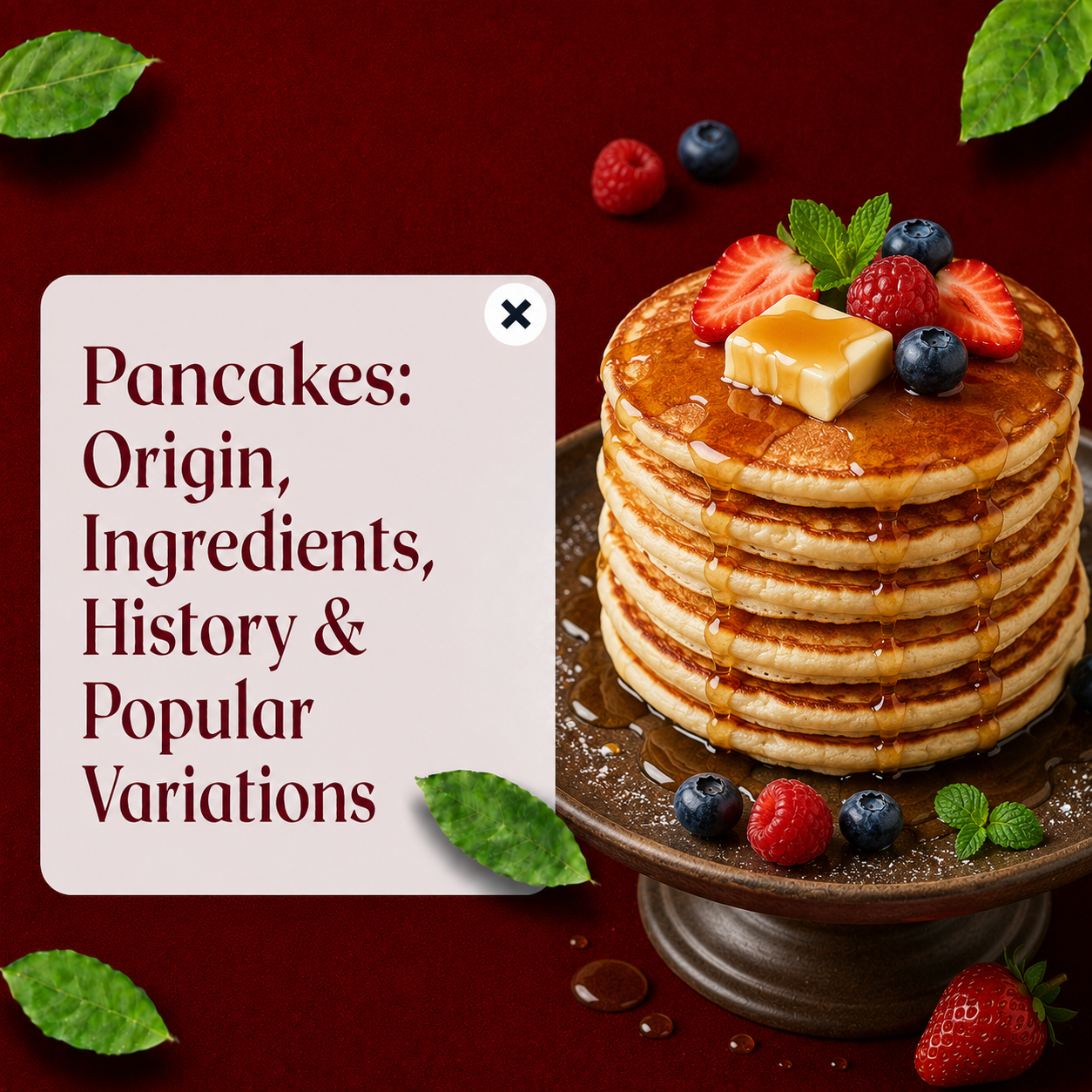
American pancakes are thick, soft, and commonly appear in a stack. Their batter often contains baking powder, which helps them rise more than many thin European styles.
A classic serving combines butter with maple syrup. Diners and cafés may also add berries, bananas, chocolate chips, nuts, whipped cream, or sauces.
The simple flavor makes this style easy to customize. That flexibility helped it become a familiar breakfast choice in many countries, not only in the United States.
Maple Syrup and Butter
Maple syrup has become one of the most recognizable companions to pancakes. Producers make it from the sap of maple trees, especially in Canada and parts of the northern United States.
Its deep sweetness works well with a mild, buttery batter. Warm syrup flows between the layers of a stack, while butter melts across the top.
Honey offers another classic option. It brings a different aroma and pairs especially well with fruit, cinnamon, and nuts.
Popular Fruit Pairings
Fresh fruit adds color, acidity, and natural sweetness. Strawberries, blueberries, raspberries, bananas, and apples all work well with a warm stack.
Blueberries remain a popular choice because cooks can scatter them over the finished dish or add them directly to the batter. Their mild tartness balances sweet syrup.
Bananas create a richer flavor. Sliced fruit works well as a topping, while mashed banana can add moisture and sweetness to some recipes.
Apples also pair naturally with cinnamon, caramel, honey, and nuts. In autumn, apple-based toppings can give pancakes a warm seasonal character.
Chocolate and Dessert-Style Versions
Chocolate turns a simple breakfast into a richer treat. Cocoa powder can flavor the batter, while chocolate chips create small melted pockets inside.
Cafés often serve chocolate pancakes with strawberries, bananas, whipped cream, or ice cream. Some versions use chocolate sauce, hazelnut spread, caramel, or cookie butter.
These combinations blur the line between breakfast and dessert. The base remains simple, but toppings can make the presentation much more indulgent.
Pancakes vs. Crêpes
Crêpes and pancakes share a batter-based foundation, but they differ in thickness, texture, and presentation.
French crêpes are extremely thin and flexible. Cooks spread the batter across a wide pan in a very thin layer, then fold or roll the finished crêpe around sweet or savory fillings.
American-style cakes are thicker and usually contain a leavening agent. They rise more, feel softer, and often appear in stacked servings.
Both styles work well with fruit, chocolate, cream, or syrup, but their textures create very different eating experiences.
How Waffles Differ
Waffles use many of the same basic ingredients, but the cooking equipment changes the result. A waffle iron presses the batter between two hot patterned plates.
This method creates a crisp exterior and a grid of pockets. Those pockets hold syrup, melted butter, fruit sauces, and cream.
Pancakes cook on a flat surface, so they develop a smoother exterior and a softer overall texture. The two foods may share a breakfast table, yet each offers a distinct experience.
Varieties Around the World
Many cultures prepare foods that resemble pancakes in shape or cooking method. France has crêpes, while parts of Eastern Europe and Russia have traditions that include blini.
Elsewhere, cooks use rice flour, buckwheat, corn, fermented batters, or other grains. Some versions taste sweet, while others form part of savory meals.
These regional differences show how a simple idea can adapt to local ingredients and traditions. The same basic concept—cooking a pourable mixture on a hot surface—can produce remarkably different foods.
Japanese Soufflé Style
Japanese soufflé pancakes stand out because of their height and airy texture. Cooks whip egg whites to create a light foam, then fold that foam gently into the batter.
Slow cooking helps the cakes rise while keeping the center delicate. The result looks taller and softer than a typical American stack.
Cafés often pair this style with powdered sugar, fresh berries, cream, butter, or syrup. Its dramatic appearance helped it gain international attention through travel, restaurant culture, and social media.
Mini Pancakes
Mini pancakes use the same basic concept in a much smaller size. Dessert shops and cafés often place them in cups, bowls, or small plates.
Their size makes it easy to combine several toppings in one serving. Popular choices include chocolate, caramel, pistachio cream, berries, bananas, cookie spreads, and nuts.
The format also works well for casual eating and visually creative presentations.
From Breakfast to Dessert
In the United States, Canada, and many other countries, pancakes remain strongly connected with breakfast. People often enjoy them with coffee, milk, juice, fruit, yogurt, or eggs.
Modern cafés have expanded that role. Rich sauces, ice cream, whipped cream, chocolate, and elaborate fruit arrangements can transform the same basic dish into dessert.
This versatility gives the food broad appeal. A simple stack can suit a family breakfast, while a more elaborate version can fit a café or dessert menu.
Why This Dish Became So Popular
Several qualities explain the lasting popularity of pancakes. The ingredients are widely available, the basic flavor is mild, and cooks can adapt the dish to many tastes.
Sweet toppings can create an indulgent version, while fruit and yogurt offer a lighter presentation. Different flours, dairy products, spices, and flavorings also provide plenty of variety.
The dish fits many settings as well. Home cooks can keep it simple, restaurants can build creative stacks, and hotels can include it in a large breakfast buffet.
A Simple Idea with Global Appeal
Pancakes show how a simple cooking idea can develop into many regional and modern styles. Their history connects ancient grain-based cakes with today’s breakfast menus, dessert cafés, and modern food trends.
From American stacks with maple syrup to fruit-filled variations and Japanese soufflé pancakes, each style offers a different texture and presentation.
Their combination of simplicity, adaptability, and comforting flavor has kept pancakes popular across generations. Whether enjoyed with butter and syrup, berries and honey, or chocolate and ice cream, they remain one of the most versatile foods on the modern breakfast table.
Muhallabia: A Smooth Middle Eastern Dessert with a Rich History