Good sugar syrup storage keeps your attar or simple syrup clear, fresh and ready for knafeh, basbousa, baklava and drinks. Because sugar is a natural preservative, syrup lasts quite a long time. However, the right ratio, a clean jar and the right temperature make a big difference.
This guide explains how long each type of syrup lasts, how to store it, and how to tell when it has spoiled.
How Long Does Sugar Syrup Last?
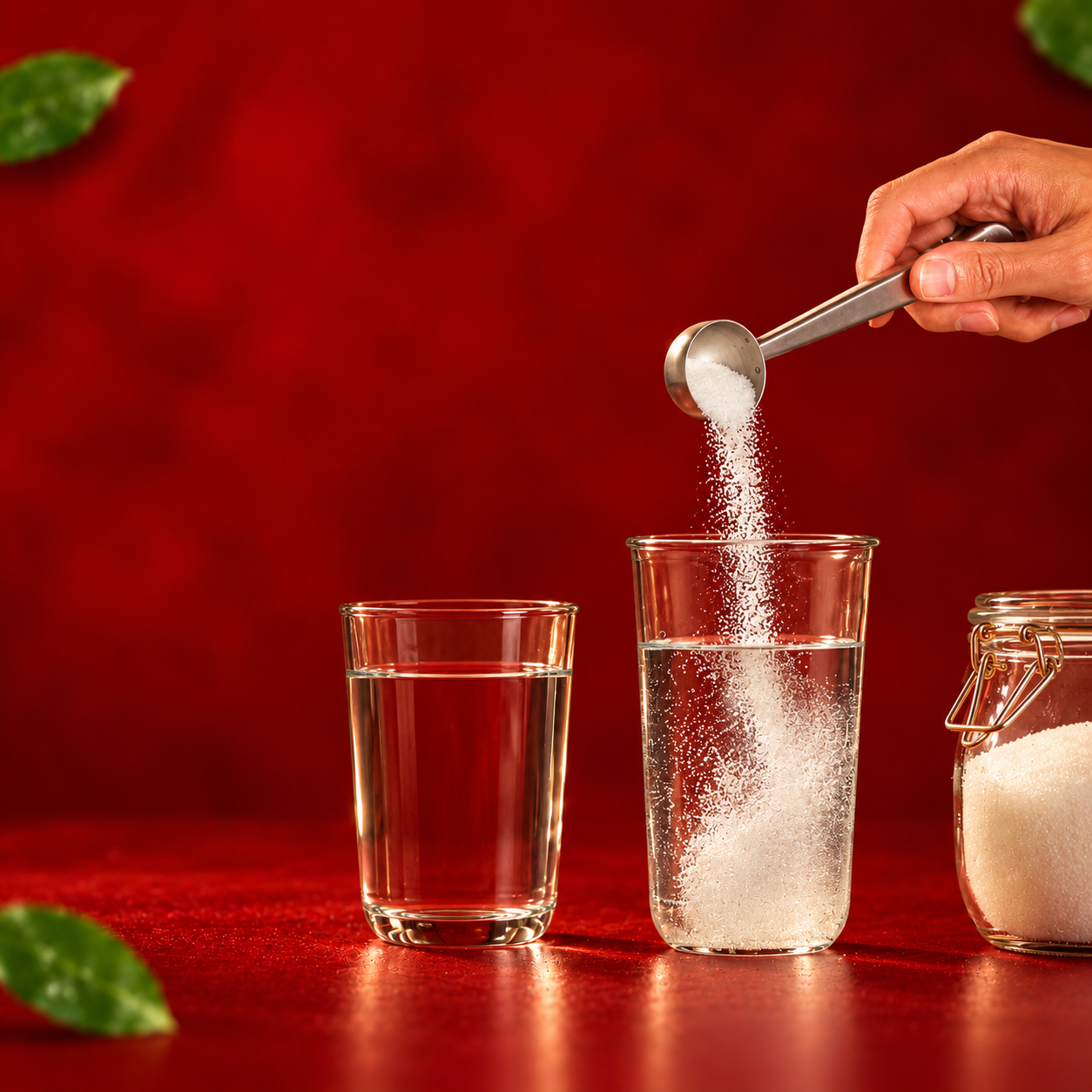
- Thin syrup (1 part sugar to 1 part water): about 1 month in the fridge.
- Thick syrup or attar (2 parts sugar to 1 part water): up to 3 months in the fridge.
- Flavored syrup (with fruit, herbs or spices): about 2 weeks, since these ingredients spoil faster.
In short, the more sugar a syrup contains, the longer it keeps, because sugar leaves less free water for mold and bacteria.
Sugar Syrup Storage: Step by Step
- Use a clean jar. First, wash a glass jar in very hot water, or boil it for 5 minutes, and let it dry completely.
- Cool the syrup. Next, let the syrup cool to room temperature, so steam does not drip back into it.
- Fill and close. Then pour the syrup into the jar and close the lid tightly.
- Label. After that, write the date on the jar.
- Refrigerate. Finally, keep it in the fridge, and use a clean spoon every time.
Can Sugar Syrup Stay at Room Temperature?
Thick attar can stay in a cool cupboard for about 1 week. However, in a warm kitchen, it spoils faster, so the fridge is always safer. Thin 1:1 syrup should always be refrigerated.
Signs Your Syrup Has Spoiled
- Cloudiness that does not clear when warmed.
- Mold spots on the surface or the lid.
- A sour or fermented smell.
- Bubbles or fizzing.
If you see any of these, throw the syrup away. In contrast, hard white crystals are not spoilage; read our guide to sugar syrup crystallization to fix them.
Common Sugar Syrup Storage Problems
Crystals in the fridge
Cause: In most cases, this happens because the syrup was too thick, or there was no lemon juice in it.
Fix: Warm the syrup with 1–2 tablespoons of water until clear. Next time, add lemon juice while it boils.
Mold after a few weeks
Cause: The jar was not clean, or someone used a dirty spoon.
Fix: Sterilize the jar, and always pour instead of dipping.
Syrup tastes flat
Cause: Flower water fades over time.
Fix: Add orange blossom or rose water just before using, rather than when you store it.
Can You Freeze Sugar Syrup?
Yes. Pour it into ice-cube trays, freeze it, and then keep the cubes in a bag for up to 6 months. Thick syrup will not freeze completely solid; however, it still keeps well.
Tips for Better Sugar Syrup Storage
- Make only as much syrup as you need for 2–4 weeks.
- Store syrup in small jars, so you open each one fewer times.
- Keep it away from strong-smelling foods in the fridge.
For syrup made specifically for knafeh, see our guide to the knafeh syrup ratio. You can also read more about simple syrup on Wikipedia.
Sugar Syrup Storage FAQ
Does lemon juice help syrup last longer?
It mainly prevents crystals. However, a slightly acidic syrup is also a little less friendly to bacteria.
Can I store syrup in plastic bottles?
Yes, if they are food-safe and clean. Glass, however, is easier to sterilize.
Should I reheat stored syrup before using it?
Only if the dessert needs warm syrup. Otherwise, use it cold on hot sweets.
Next on your list? If you found this sugar syrup storage guide useful, you might like our digital cookbook, which brings together 31 Eastern and Western sweets with precise measurements.