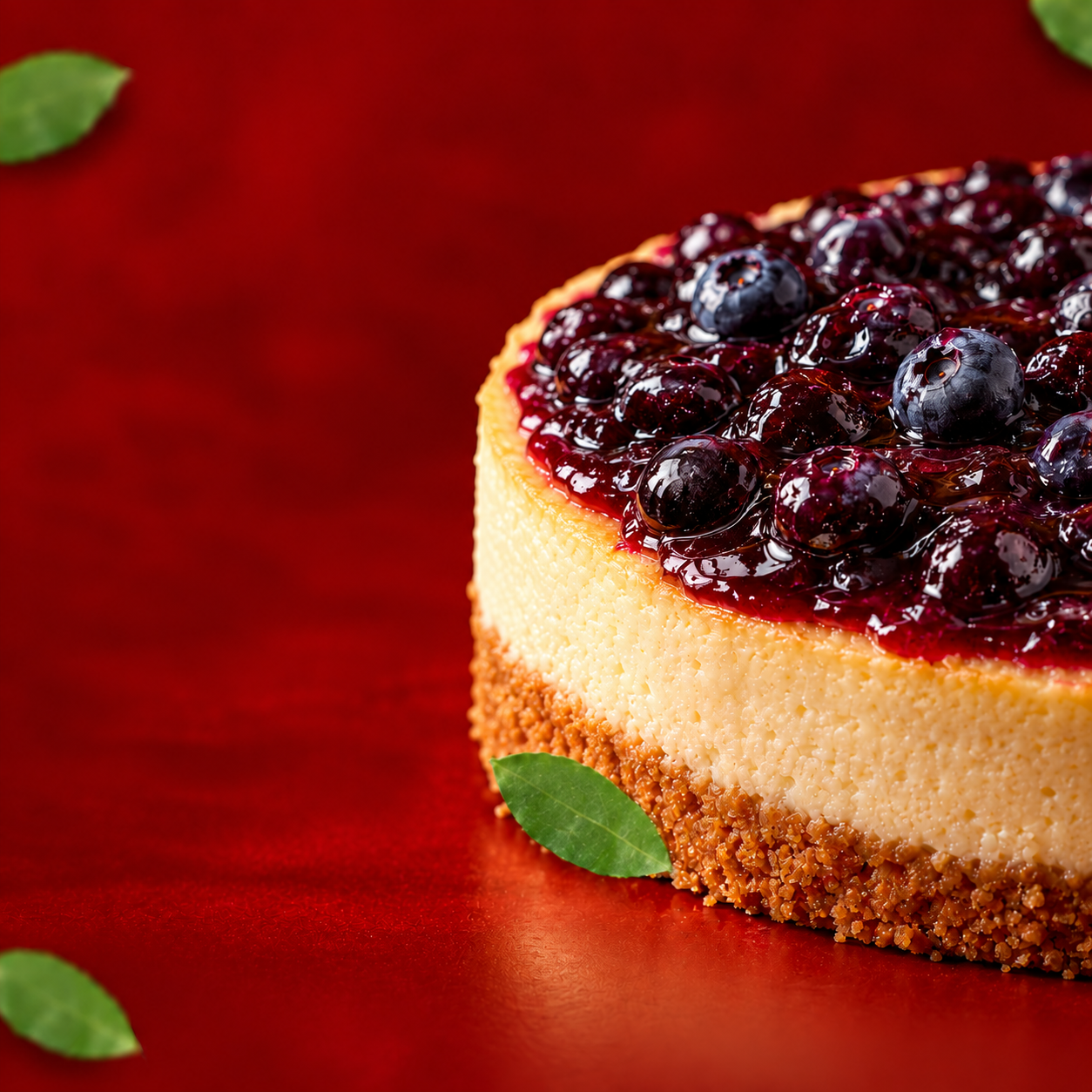
Cheesecake is one of the world’s most recognizable desserts. People know it for its rich, creamy filling and wide variety of flavors.
Today, bakers prepare it in many forms. Some versions go into the oven, while others set in the refrigerator. Popular varieties include New York style, strawberry, chocolate, Japanese, and no-bake versions.
Although cheesecake has strong ties to modern American baking, cheese-based sweets have existed for much longer.
What Is Cheesecake?
Cheesecake is a dessert that uses soft cheese as the main ingredient in its filling.
Most modern versions contain two main parts:
- A biscuit or cookie crust
- A smooth cheese-based filling
Baked varieties often contain eggs. By contrast, chilled versions rely on refrigeration and sometimes use ingredients that help the filling hold its shape.
In addition, fruit, chocolate, caramel, nuts, and sauces can add flavor and decoration.
The History of Cheesecake
The story of cheesecake reaches far beyond the modern cream-cheese version.
Ancient Mediterranean cultures prepared sweet foods that combined cheese with ingredients such as honey and grain. However, these early dishes differed greatly from the creamy dessert we know today.
Therefore, it is more accurate to view them as early relatives of later cheese-based cakes rather than identical versions.
Cheesemaking itself has ancient roots. Archaeological evidence shows that people were producing cheese thousands of years ago. The Smithsonian, for example, has reported evidence of cheesemaking dating back roughly 7,000 years. Smithsonian Magazine
You can use this as your external source in WordPress:
Smithsonian – evidence of ancient cheesemaking
From Ancient Cheese Sweets to Modern Styles
Early preparations used relatively simple ingredients.
These commonly included:
- Fresh cheese
- Honey
- Flour or grain
- Eggs
- Spices
Over time, baking methods changed. Furthermore, different regions developed their own dairy traditions.
As a result, European cooks created many cheese-based sweets using local ingredients. Later, the wider availability of cream cheese helped shape the familiar American style.
New York Cheesecake
New York cheesecake became one of the best-known forms of this dessert.
It usually has a dense, smooth, and rich texture. Bakers commonly use cream cheese, sugar, eggs, and sometimes sour cream or heavy cream.
After baking, they chill it thoroughly before serving.
Because New York restaurants and bakeries popularized this style, it eventually gained an international reputation.
Why Cream Cheese Matters
Cream cheese plays a central role in many modern American versions.
Its smooth consistency creates a rich filling, while its mild tang balances the sweetness.
However, bakers do not use cream cheese everywhere.
For example, Italian versions may use ricotta. Meanwhile, German and Central European bakers often use quark.
Consequently, the type of cheese strongly influences both flavor and texture.
Types of Cheese Used in Cheesecake
Several soft cheeses work well in this dessert.
Cream Cheese
American-style recipes commonly use cream cheese.
It creates a dense, smooth texture and gives the filling a mild tang.
Ricotta
Italian variations often rely on ricotta.
As a result, the filling feels lighter and slightly grainier.
Quark
German bakers frequently use quark.
This fresh dairy product creates a softer texture and adds gentle acidity.
Mascarpone
Some recipes use mascarpone alone or combine it with another cheese.
Because mascarpone contains more fat, it can create an especially rich filling.
Cheesecake vs Regular Cake
Despite its name, this dessert differs significantly from a traditional sponge or butter cake.
Traditional cakes depend heavily on flour for structure. Cheesecake, however, gets most of its structure from cheese, eggs, and other dairy ingredients.
A typical version contains:
- A crumb or pastry base
- A creamy filling
- An optional topping
Therefore, its texture usually feels denser and smoother than ordinary cake.
The Classic Cheesecake Crust
The crust creates an important contrast with the soft filling.
Bakers often crush biscuits or cookies, combine them with melted butter, and press the mixture into the bottom of a pan.
Common choices include:
- Graham crackers
- Digestive biscuits
- Chocolate cookies
- Spiced biscuits
- Shortbread crumbs
However, not every style uses a biscuit crust. Some European versions use pastry, while others have no crust at all.
Baked vs No-Bake Cheesecake
The main difference between these two styles lies in how the filling sets.
Baked Cheesecake
A baked version usually contains eggs.
During baking, heat firms the filling and creates a dense, creamy structure.
Afterward, the dessert needs time to cool before going into the refrigerator.
No-Bake Cheesecake
A no-bake version skips the oven.
Instead, whipped cream, gelatin, or other stabilizing ingredients may help the filling stay firm.
As a result, this style often feels lighter and softer.
Moreover, its cold serving temperature makes it especially popular during warmer seasons.
New York Style vs Other Cheesecakes
New York style usually has a richer and heavier texture than many other versions.
Its high proportion of cream cheese gives it density. In addition, sour cream or heavy cream may increase its richness.
Other versions can feel softer, lighter, fruitier, or more mousse-like.
Therefore, New York style represents one specific interpretation rather than every form of the dessert.
Japanese Cheesecake
Japanese cheesecake offers a very different experience.
Instead of a dense filling, it has a light, soft, and airy structure.
Bakers whip egg whites and gently fold them into the mixture. As a result, the batter traps air and develops a texture between traditional cheesecake and sponge cake.
This difference has helped the Japanese style build a strong international following.
Italian Cheesecake Variations
Italian versions often use ricotta.
Ricotta creates a lighter texture than cream cheese and may leave a slightly grainy feel.
In addition, Italian bakers often add citrus zest, vanilla, or other subtle flavorings.
Therefore, these variations reflect Italy’s broader tradition of using fresh ricotta in desserts.
German Cheesecake
German Käsekuchen commonly uses quark.
Quark has a fresh, slightly tangy flavor and usually creates a softer result than dense American styles.
Furthermore, many German recipes use a pastry base instead of a crushed-biscuit crust.
Fruit Cheesecake Varieties
Fruit remains one of the most popular additions.
Strawberries, raspberries, blueberries, and cherries provide acidity, which balances the richness of the filling.
Bakers may use fruit as:
- Fresh topping
- Sauce
- Compote
- Glaze
- A swirl through the filling
Among these options, strawberry remains one of the most familiar flavors worldwide.
Chocolate Cheesecake
Chocolate creates a richer variation.
Bakers may add cocoa, melted chocolate, or both to the filling.
Popular choices include dark, milk, and white chocolate.
In addition, a chocolate-cookie crust can strengthen the overall flavor.
Modern Cheesecake Flavors
Modern pastry shops have expanded the range far beyond classic fruit toppings.
Popular flavors include:
- Salted caramel
- Lotus Biscoff
- Oreo
- Pistachio
- Peanut butter
- Lemon
- Mango
- Coffee
- Dates
Because the base is so adaptable, pastry chefs can easily adjust it to different tastes and markets.
Why Does Cheesecake Crack?
Cracks often appear when bakers expose the filling to too much stress during baking or cooling.
Common causes include:
- Excessive oven temperature
- Overbaking
- Sudden temperature changes
- Too much air in the filling
- Overmixing after adding eggs
As the filling expands and contracts, the surface can split.
Fortunately, these cracks usually affect appearance rather than flavor.
Why Bakers Use a Water Bath
A water bath, also called a bain-marie, creates gentler heat.
Bakers place the cake pan in or near a larger container of hot water.
The water helps maintain a steadier temperature. In addition, it adds moisture to the oven environment.
Therefore, this method can help the filling cook more evenly and may reduce surface cracks.
Does Cheesecake Need Refrigeration?
Most modern versions require refrigeration because they contain perishable dairy ingredients.
Cream cheese, ricotta, sour cream, and fresh cream all need cold storage.
Furthermore, chilling improves texture because the filling becomes firmer and easier to slice.
For this reason, bakers usually cool baked versions completely before refrigerating them.
Why Cheesecake Became So Popular
Its versatility explains much of its global popularity.
A single basic concept can produce something dense, fluffy, baked, chilled, fruity, chocolate-based, or flavored with local ingredients.
Moreover, it works well for many occasions, including:
- Cafés
- Restaurants
- Birthdays
- Weddings
- Family gatherings
- Dessert tables
As a result, pastry chefs can continuously reinvent it without losing its recognizable creamy character.
Cheesecake Around the World
Different culinary traditions have created distinct styles.
American versions often emphasize cream cheese and richness.
Italian versions may use ricotta, while German bakers frequently choose quark.
Meanwhile, Japan developed a lighter and airier interpretation.
Across the Middle East, pastry shops have also created versions featuring pistachio, dates, saffron, berries, chocolate, and biscuit spreads.
Therefore, the dessert continues to evolve as it enters new culinary cultures.
Is Cheesecake Really a Cake?
Technically, cheesecake differs from a typical flour-based cake.
Its structure resembles a rich baked or chilled cheese custard placed over a crust.
Nevertheless, the name has existed for generations and has become firmly established in culinary language.
So, although its structure differs from sponge cake, people around the world continue to recognize it as cheesecake.
Conclusion
Cheesecake is a versatile cheese-based dessert with a long and evolving history.
Different cultures have adapted it with local cheeses, flavors, baking techniques, and textures.
As a result, today we have dense New York versions, fluffy Japanese styles, Italian ricotta cakes, German Käsekuchen, and chilled no-bake varieties.
Despite these differences, the creamy filling remains the defining feature that connects them all.
Chocolate Lazy Cake: Origin, Ingredients, Texture and Popularity