Tart is a classic pastry known for its crisp shell and wide variety of fillings. It can feature fruit, cream, chocolate, lemon, caramel, nuts, and many other ingredients.
Today, tarts appear in bakeries and cafés around the world. Moreover, their elegant appearance and flexible structure make them suitable for everyday desserts as well as special occasions.
Unlike many cakes, a Tart begins with pastry rather than a soft batter. In addition, its open top allows the filling and decoration to remain visible, which gives the dessert much of its distinctive appearance.
What Is a Tart?
A Tart is usually made with a shallow pastry shell filled with a sweet or savory mixture.
Sweet versions may contain:
- Fresh fruit
- Pastry cream
- Lemon curd
- Chocolate
- Caramel
- Nuts
Savory versions can include cheese, vegetables, eggs, or meat.
However, dessert tarts remain especially popular in bakeries and pâtisseries because they combine crisp pastry with attractive fillings.
The Origin of Tarts
The history of tarts developed alongside European pastry traditions.
For centuries, cooks in France, England, and other parts of Europe prepared pastries filled with fruit, meat, and other ingredients.
As baking techniques became more refined, pastry doughs gradually became thinner and more delicate. As a result, bakers could create shells that were better suited to sweet fillings and elegant presentation.
These developments eventually helped shape the modern Tart.
French pastry traditions played an especially important role. In particular, French pâtisserie developed several pastry doughs, creams, fruit arrangements, and decorative techniques that remain widely used today.
What Makes a Tart Different?
The defining feature of a Tart is its pastry shell.
Bakers roll the dough before pressing it into a shallow pan, often with straight or gently fluted sides.
Depending on the recipe, the shell may be baked before the filling is added. Alternatively, the pastry and filling may bake together.
Unlike many pies, most tarts remain open on top. Therefore, the filling becomes an important part of the dessert’s visual presentation.
Tart Pastry
Traditional tart pastry usually contains simple ingredients such as:
- Flour
- Butter
- Sugar
- Eggs
Butter helps create the crisp and delicate texture associated with many dessert tarts.
Two well-known French pastry styles are Pâte Sucrée and Pâte Brisée.
Pâte Sucrée is sweet and commonly used for desserts. By contrast, Pâte Brisée is less sweet and can work in both sweet and savory preparations.
Pâte Sucrée
Pâte Sucrée is one of the most common pastry bases for elegant dessert tarts.
Because it contains sugar, it has a lightly sweet flavor. Moreover, its firm structure allows it to hold fillings without losing its shape easily.
For this reason, pastry chefs often use it for fruit, chocolate, and cream-filled tarts.
At the same time, its flavor remains mild enough to complement the filling rather than overpower it.
Fruit Tart
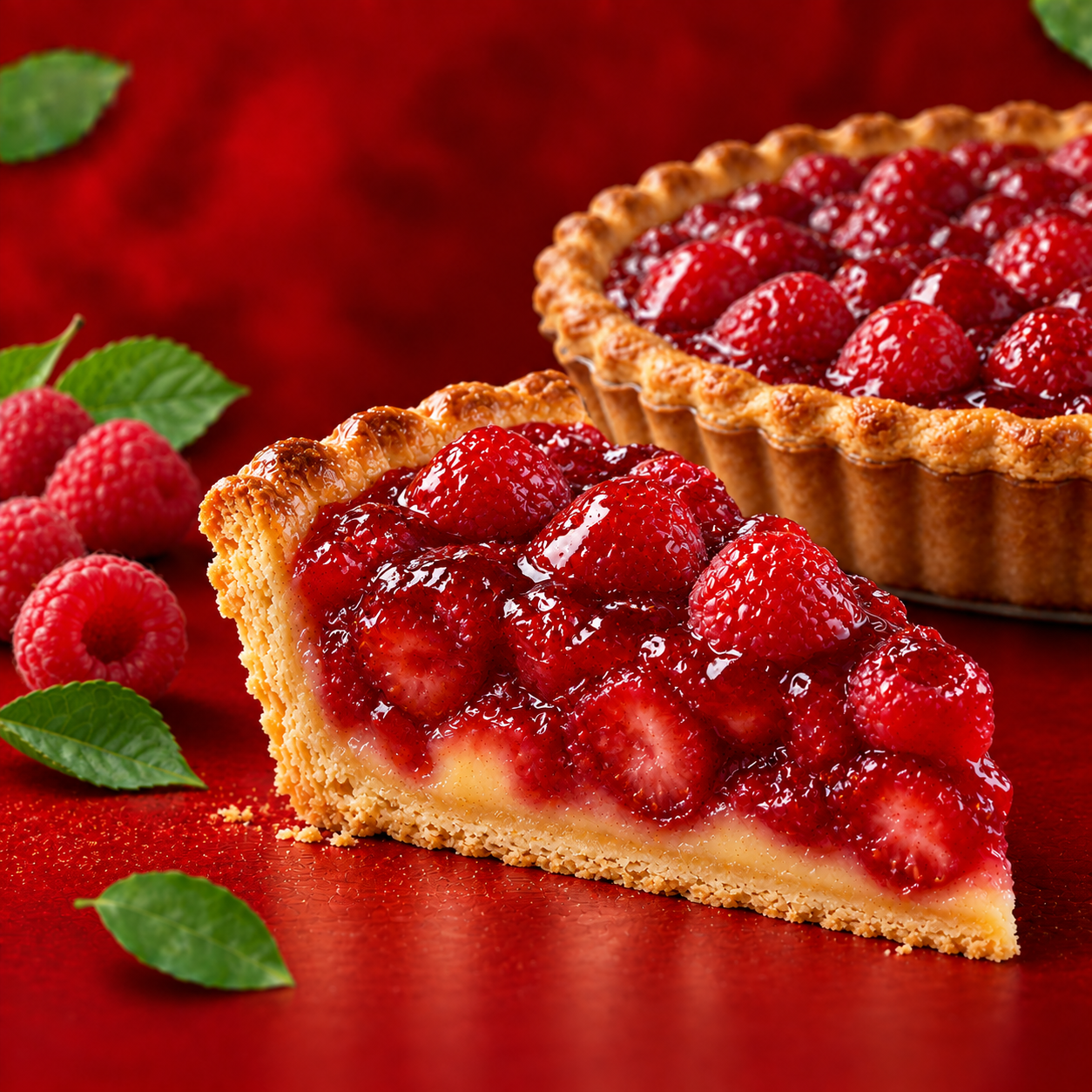
Fruit Tart is one of the most familiar varieties.
It usually combines a baked pastry shell with pastry cream and fresh fruit.
Popular fruits include:
- Strawberries
- Berries
- Kiwi
- Grapes
- Peaches
- Mango
In addition, bakers may brush the fruit with a light glaze.
The glaze adds shine and can help preserve the fresh appearance of the fruit. Meanwhile, the combination of crisp pastry, smooth cream, and juicy fruit creates a noticeable contrast in texture.
Lemon Tart
Lemon Tart is another famous classic variety.
Its filling usually combines lemon juice, sugar, eggs, and butter. As a result, the flavor balances sweetness with noticeable acidity.
Some versions remain simple. However, others receive a layer of meringue for additional sweetness and texture.
The crisp shell contrasts with the smooth lemon filling, which helps explain why this style has remained popular in French-inspired pastry.
Chocolate Tart
Chocolate Tart combines a crisp pastry shell with a rich chocolate filling.
Many versions use chocolate and cream to create a smooth, ganache-like center. Therefore, the soft filling contrasts strongly with the firm pastry shell.
Common decorations include:
- Chocolate shavings
- Nuts
- Berries
- Caramel
- Cocoa powder
Moreover, dark, milk, or white chocolate can create noticeably different versions of the same basic dessert.
Caramel Tart
Caramel Tart offers a richer and sweeter variation.
It often contains a layer of caramel inside a crisp pastry shell. In some versions, bakers also add chocolate on top.
Salted caramel provides another variation. In this case, a small amount of salt balances the sweetness and creates a deeper flavor.
Consequently, caramel tarts have become especially popular in modern cafés and pastry shops.
Sweet and Savory Tarts
Not every Tart is a dessert.
Savory versions may contain:
- Cheese
- Vegetables
- Eggs
- Meat
- Herbs
One related French dish is quiche, which uses pastry with a savory egg-and-cream filling.
Therefore, the basic tart concept extends beyond sweet pastry and can support many different fillings.
Tart vs. Pie
Tarts and pies can look similar. However, they usually differ in several ways.
A Tart is generally:
- Shallower
- More structured
- Often open on top
- Made with firmer pastry
A pie is usually deeper and may include a full or partial upper crust.
In addition, pie dough is often designed to be flaky, while many tart shells have a firmer and more delicate structure.
Therefore, shape, depth, and pastry texture help distinguish the two desserts.
Tart vs. Cake
A Tart is also very different from cake.
Cake relies on batter. By contrast, a Tart relies on rolled pastry dough.
Cake is generally soft, airy, or tender. Meanwhile, a tart combines a crisp shell with a filling that may be creamy, fruity, or rich.
As a result, the two desserts provide very different textures even when they contain similar flavors.
What Are Tartlets?
Small individual tarts are commonly called tartlets.
They use the same basic structure as a full-size Tart. However, bakers prepare them in smaller molds.
Common fillings include:
- Fruit
- Chocolate
- Lemon
- Cream
- Caramel
Because each tartlet forms an individual portion, these small pastries work especially well for parties and celebrations. In addition, their size allows pastry chefs to create detailed decorations.
Tarts in French Pastry
Tarts hold an important place in French pâtisserie.
Classic examples include:
- Lemon tart
- Fruit tart
- Chocolate tart
- Apple tart
- Tarte Tatin
Among these, Tarte Tatin is one of the most recognizable French apple desserts.
For additional background on classic French pastries, see France.fr – French Pastry Classics.
What Is Tarte Tatin?
Tarte Tatin is a famous French apple tart.
Unlike a standard apple tart, the apples cook beneath the pastry with butter and sugar.
After baking, the dessert is turned upside down. As a result, the caramelized apples become the visible top layer.
This reversed preparation creates a very different appearance from a conventional fruit Tart.
Several stories surround the exact origin of Tarte Tatin. Therefore, some details about its invention are better treated as culinary tradition rather than fully established historical fact.
Apple Tart
Apple Tart differs from a traditional Apple Pie in both shape and presentation.
It is usually shallower and often remains open on top. Moreover, thin apple slices may be arranged in decorative patterns across the surface.
Some versions also include almond cream beneath the fruit.
Consequently, the finished dessert emphasizes both the appearance and flavor of the apples.
How Tart Shells Stay Crisp
A successful Tart depends heavily on its pastry shell.
If the filling contains too much moisture, the base can become soft.
To help preserve the texture, bakers may:
- Pre-bake the shell
- Cool it before filling
- Use thicker creams
- Add moist fillings shortly before serving
In addition, a thin layer of chocolate can sometimes act as a barrier between the shell and the filling.
As a result, the pastry stays crisp for longer.
Why Some Tart Shells Are Blind-Baked
Blind baking means baking a pastry shell before adding the final filling.
This technique works especially well when the filling needs little or no oven time.
For example, lemon, chocolate, and fresh-fruit tarts often use a pre-baked shell.
Therefore, the pastry can become fully cooked and crisp before a moist filling is added.
Modern Tart Variations
Modern pastry chefs continue to reinterpret traditional Tart styles.
Popular flavors include:
- Pistachio
- Coffee
- Salted caramel
- Dates
- Tropical fruits
- Hazelnut
- Specialty chocolate
Some designs remain simple. On the other hand, others use carefully arranged fruit, piped creams, glazes, nuts, and decorative chocolate.
This flexibility gives pastry chefs considerable room for creativity.
Tarts Around the World
European pastry techniques eventually spread internationally. As a result, tarts became popular far beyond France and England.
Local ingredients also influenced modern variations.
For example, some regions use tropical fruits. Meanwhile, others add pistachios, dates, coffee, regional nuts, or specialty creams.
Therefore, the same basic pastry structure can reflect very different culinary traditions.
Why Tarts Look So Elegant
Tarts often have strong visual appeal because much of the filling remains visible.
For example, fruit can be arranged in geometric or circular patterns.
Chocolate can create a smooth surface, while cream can be piped into decorative shapes.
At the same time, the defined pastry edge gives the dessert a clean structure.
For this reason, tarts frequently appear in bakery and pâtisserie display cases.
Why Tarts Remain Popular
Several qualities help explain the lasting popularity of the Tart.
First, the crisp pastry contrasts with softer fillings.
Second, the open design makes decoration easy.
Moreover, one basic pastry shell can support many different flavors.
Fruit provides freshness, while chocolate adds richness. Meanwhile, lemon introduces acidity, and caramel provides deeper sweetness.
Because of this versatility, tarts can suit many tastes and occasions.
Conclusion
Tart is one of the most versatile forms of pastry.
Its identity comes from the combination of a crisp shell and a visible filling. Moreover, French pastry traditions helped shape many of the styles that are now familiar around the world.
From fruit and lemon tarts to chocolate creations and Tarte Tatin, the dessert offers a wide range of flavors and textures.
Finally, whether simple or highly decorated, the Tart continues to combine texture, flavor, and presentation in a way that works equally well in homes, cafés, bakeries, and professional pâtisserie.
Apple Pie: History, Origin, Ingredients, and Popular Variations